
SOUTH KOREA
Ancient palaces,
contemporary soul
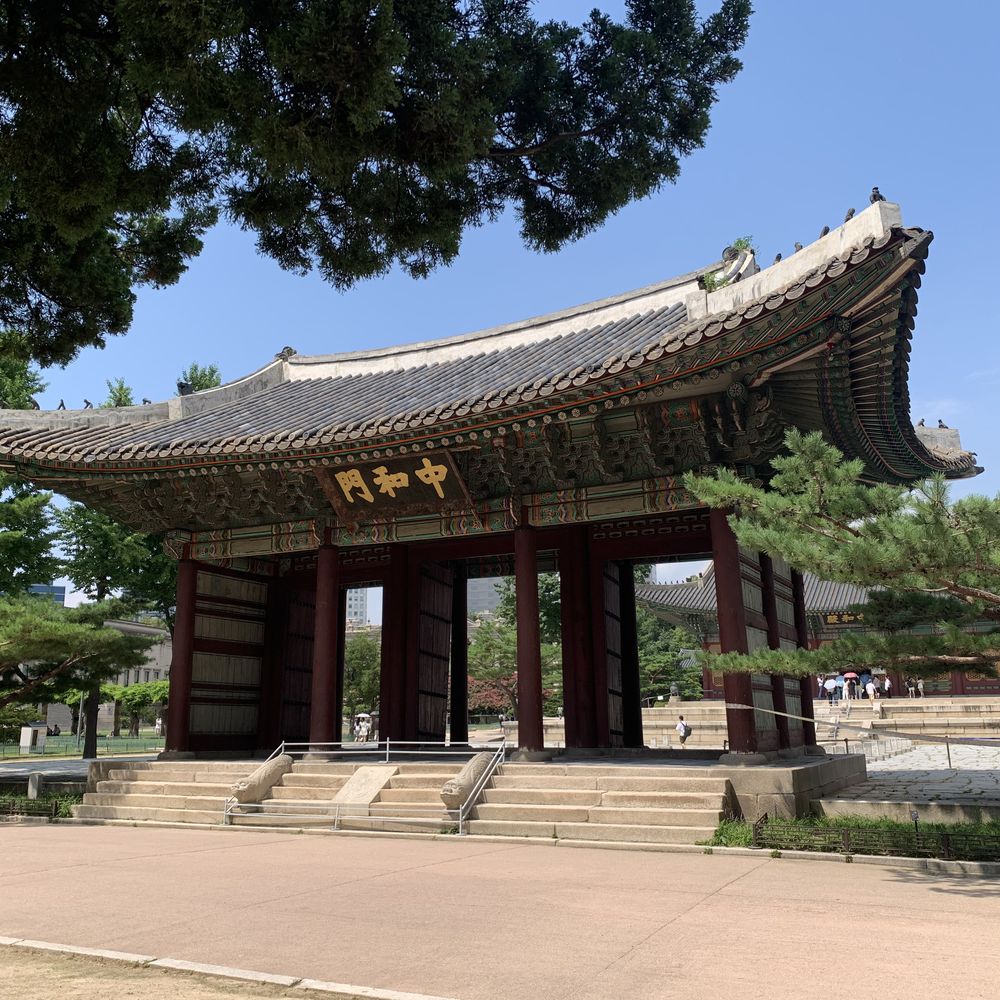
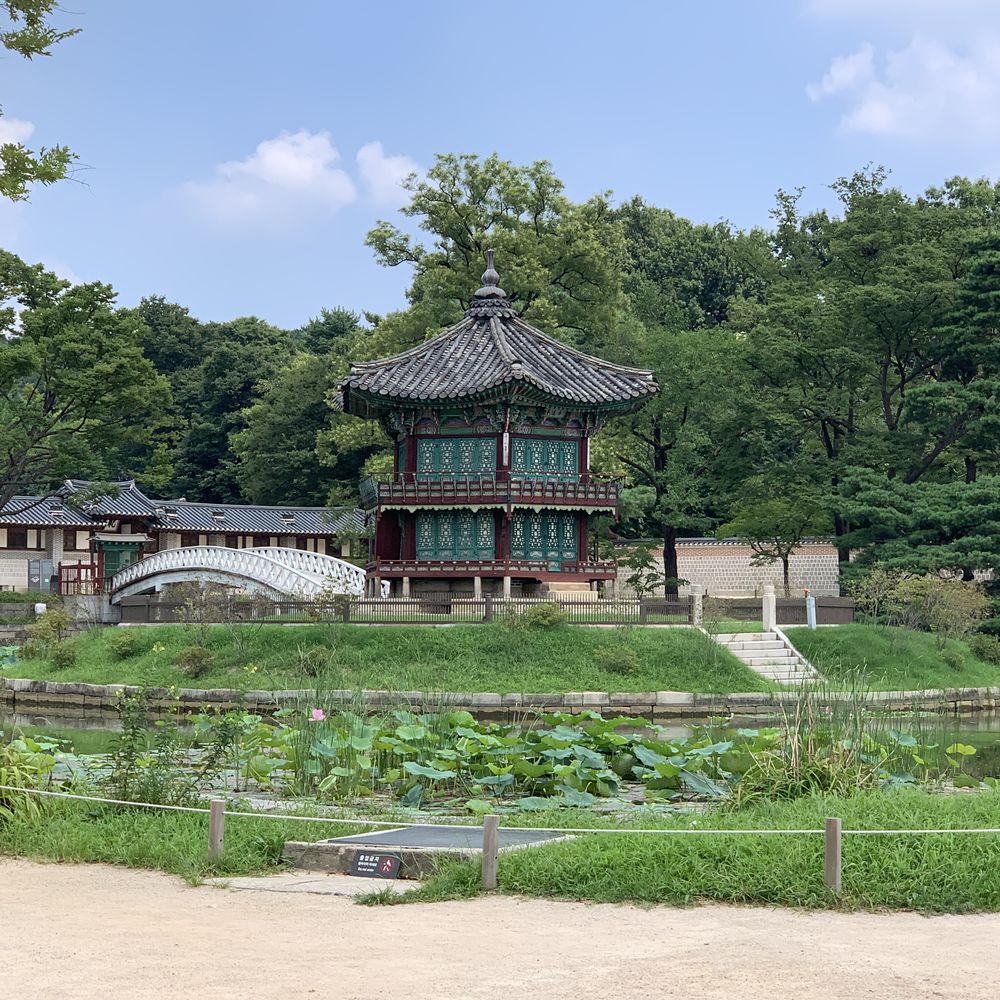
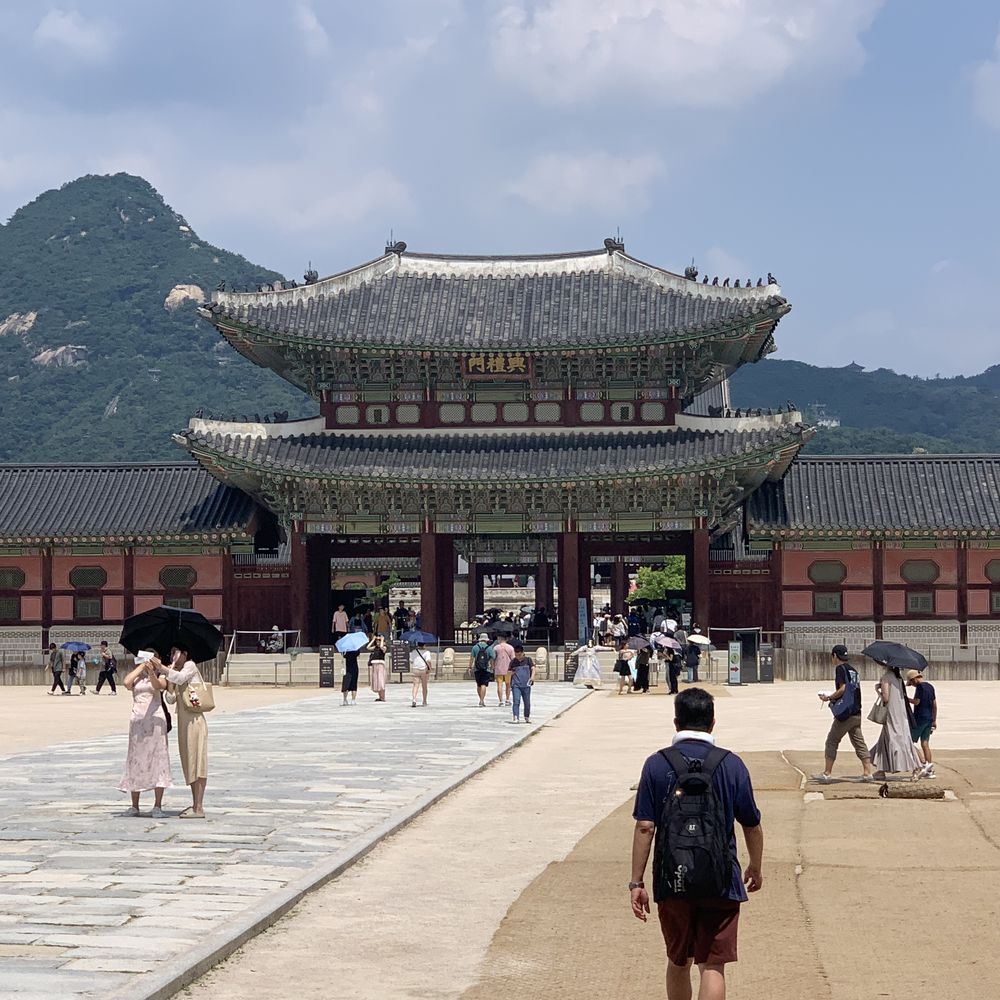
South Korea is the most surprising country in Asia for first-time visitors. A country that has preserved its royal palaces and Buddhist temples with extraordinary care — and simultaneously produced one of the most vibrant contemporary cultures on earth. The contrast is not a contradiction. It is the point.
JUST A SMALL GLIMPSE OF WHAT IS POSSIBLE IN SOUTH KOREA
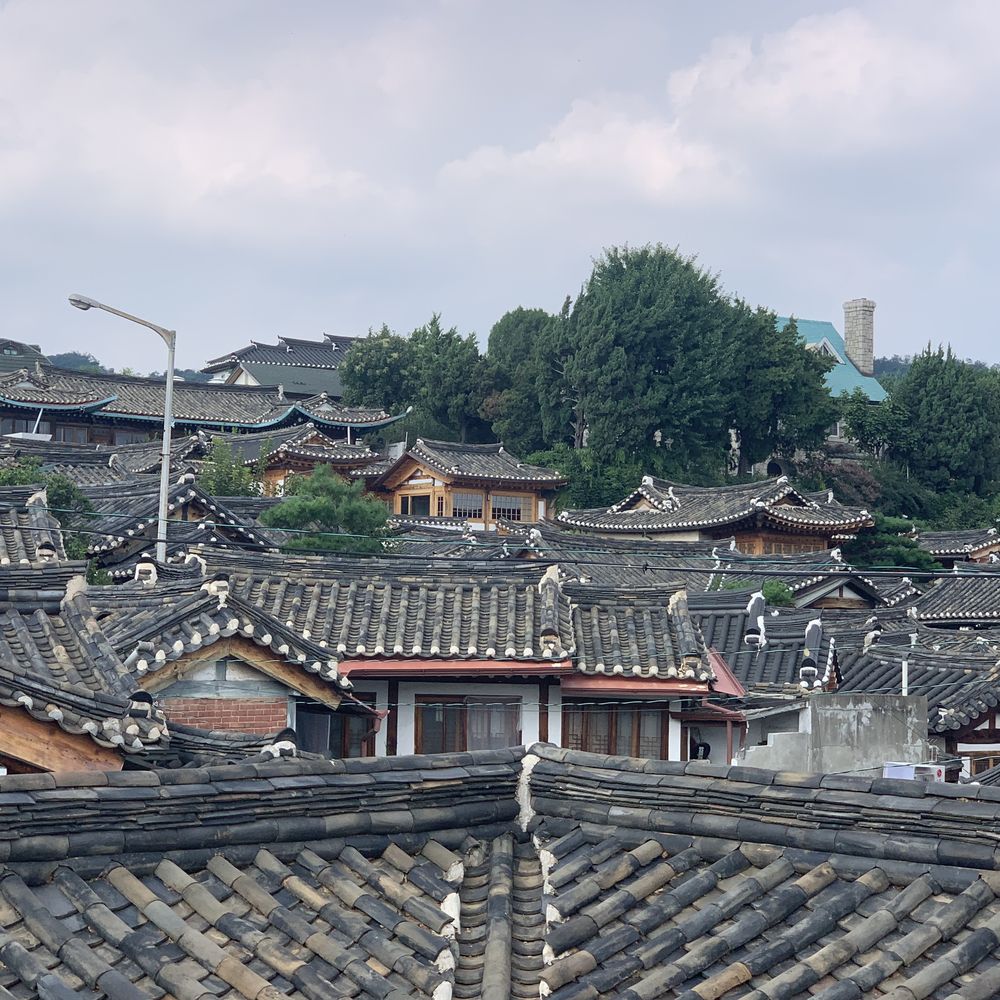
Gyeongju was the capital of the Silla Kingdom for almost a thousand years. The royal tombs still rise from the city's green spaces like sleeping giants. A night in a restored hanok — ondol floor heating, paper screens, a garden arranged around silence — is to sleep inside Korean history.
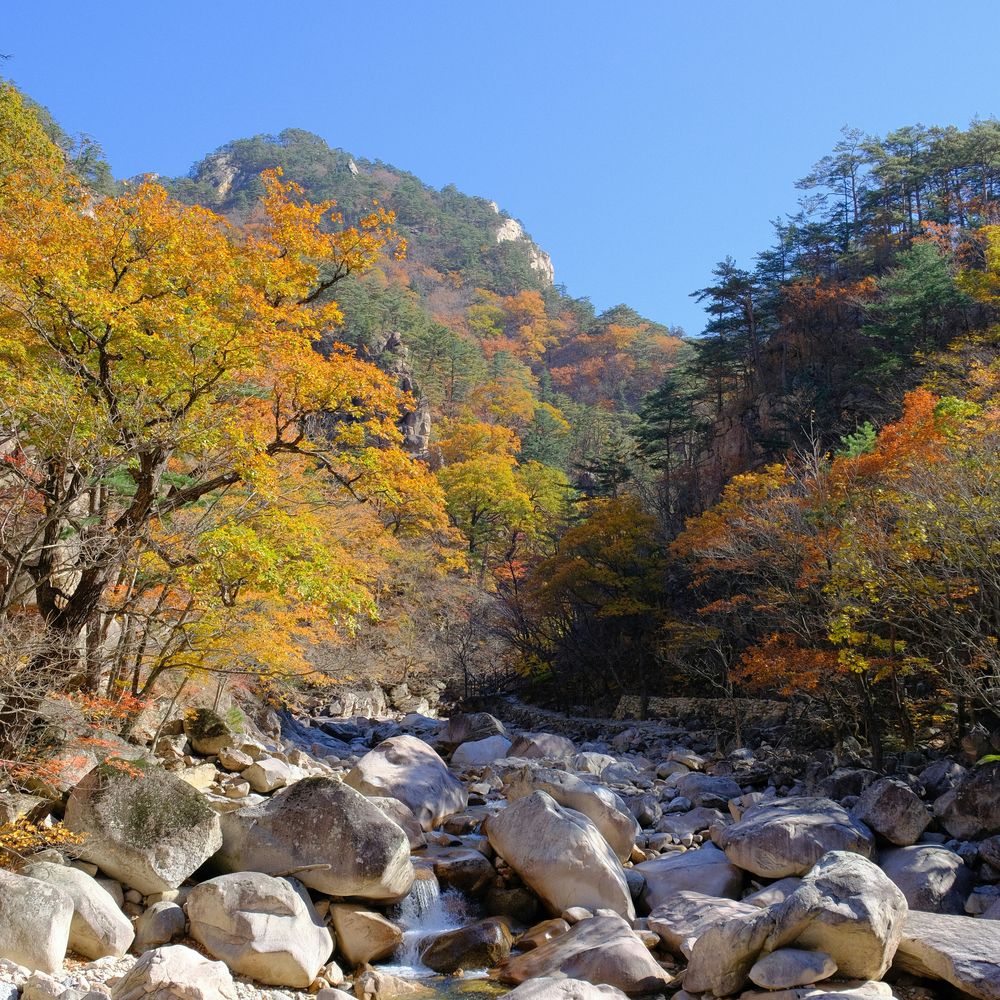
South Korea's autumn is one of the great natural spectacles in Asia. The mountains of Seoraksan turn amber, crimson, and gold in October. At sunrise, from the ridge above the valley, with the mist below and the colours above, it is briefly and completely perfect.
Korean cuisine is one of the most complex and least understood in the world. A morning learning to make kimchi, doenjang jjigae, and pajeon with a chef who grew up eating these dishes — not performing them — changes the way you eat for the rest of your life.
Seonamsa, Songgwangsa, Daeheungsa — temples set so deeply in the mountains that the approach is as important as the arrival. In spring, when the cherry blossom lines the paths, and in winter, when the snow settles on the rooftiles, they are among the most beautiful places in Korea.
Jeju is South Korea's holiday island — volcanic, lush, and shaped by the sea in ways that make it feel entirely different from the mainland. The haenyeo — the women free-divers who harvest abalone and sea cucumber without tanks — have been doing this for centuries. Watching them work is humbling.
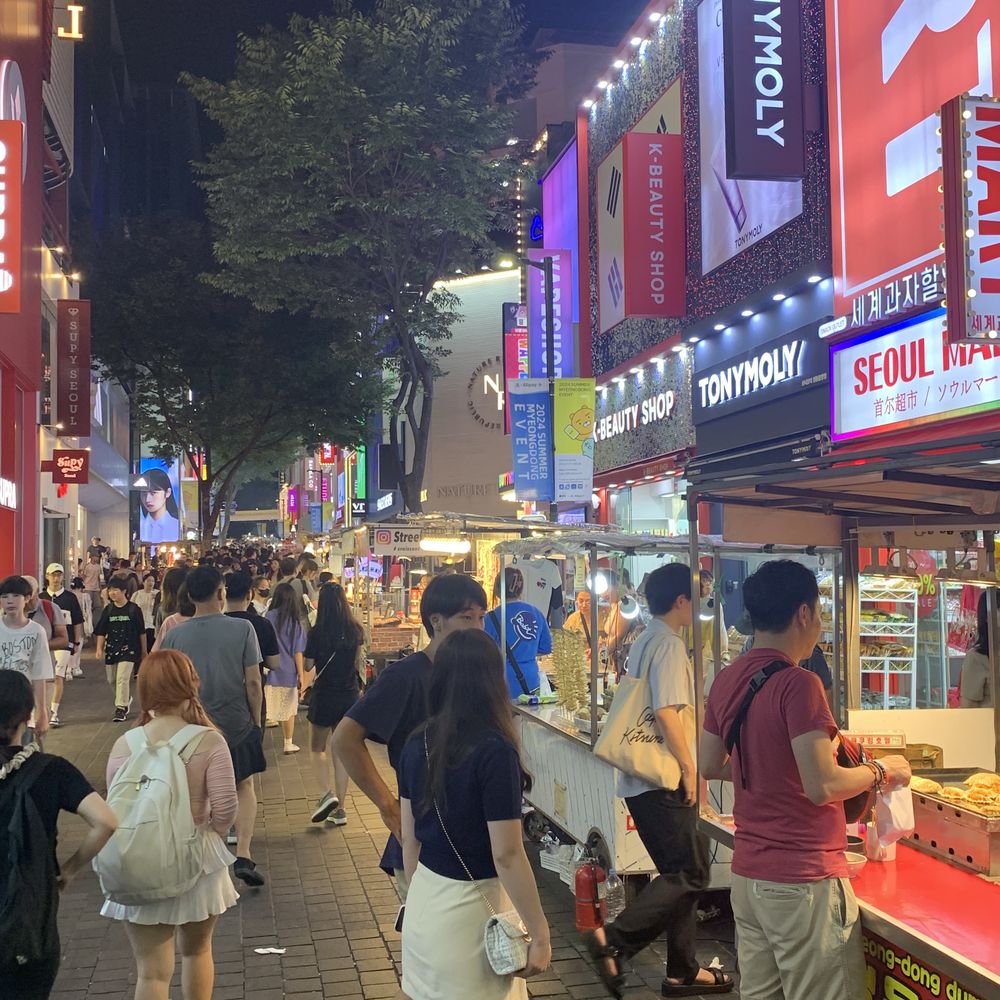
Hongdae at 2am. A pojangmacha — a street food tent — somewhere in Mapo-gu. Soju, tteokbokki, the particular energy of a city that has been through everything and come out the other side with an appetite for life. Korea reveals something important about itself after dark.
A FEW IMAGES. TIME TO MAKE YOUR OWN.
READY WHEN YOU ARE
Let’s talk about your
No obligation, no rush. Just share what you have in mind — we’ll handle every detail.